


Ozempic Body & Skin Laxity After Weight Loss: Restoring Shape and Confidence with Non-Surgical Treatments
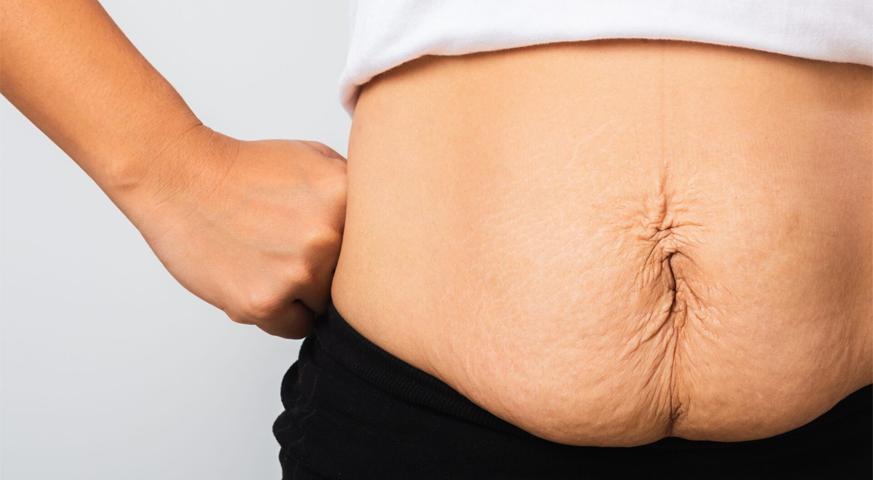
With the rising popularity of medications like Ozempic, Wegovy, and Mounjaro, more people are experiencing impressive weight-loss results in a short period of time. While this transformation can feel empowering, many patients also begin to notice something unexpected: loose or deflated skin, a softer abdominal contour, or a change in the natural fullness of areas like the face, arms, or buttocks. These changes, often referred to as “Ozempic Body,” can make individuals feel as though their skin hasn’t caught up with their new figure.
The good news is that modern non-surgical treatments offer effective ways to restore firmness, rebuild lost volume, and create a smoother, more confident silhouette. Among the most popular options are Sculptra, body fillers, and RF fractional tightening—treatments that work individually or in combination to help patients feel at home in their new body.
Sculptra has quickly become one of the most trusted solutions for patients experiencing skin laxity or volume loss after rapid weight reduction. Known for its ability to stimulate collagen production, Sculptra works gradually and naturally, improving the texture and elasticity of the skin over time. Rather than creating a sudden or artificial look, it rebuilds the skin’s internal structure from within, giving lifted, firmer, and more youthful contours. Many patients choose Sculptra to improve areas like the buttocks, hips, abdomen, and arms, especially when they feel these areas have lost firmness or appear “deflated” after weight loss.
Body fillers, particularly hyaluronic acid–based formulas, offer immediate enhancement for patients looking to restore shape more quickly. These fillers are ideal for improving curves, adding volume to the hips or buttocks, and refining areas that look hollow or uneven. Patients often appreciate the subtle yet visible improvement right after the treatment, which continues to enhance their shape in the following weeks. Body fillers are also commonly used to smooth surface irregularities caused by weight fluctuations, helping create a more balanced overall silhouette.
RF fractional tightening is another highly effective solution for patients dealing with loose or crepey skin. This treatment uses controlled radiofrequency energy to heat deeper layers of the skin, encouraging collagen remodeling and improving firmness. Patients notice that areas like the stomach, thighs, arms, and knees appear tighter and more toned, making it a perfect complement to Sculptra or fillers when skin laxity is a concern.
What makes these treatments so powerful is their ability to work together. Many patients achieve the best results through a personalized combination—using Sculptra to rebuild collagen, body fillers to restore lost volume, and RF tightening to firm and smooth the skin. This multi-layered approach mimics the natural structure of youthful, healthy tissue and creates results that look authentic, not altered.
Experiencing rapid weight loss is a meaningful accomplishment, but it’s natural to want your skin to reflect the hard work and transformation you’ve achieved. Non-surgical treatments provide a safe, minimally invasive, and customizable way to restore confidence, enhance your natural silhouette, and feel more comfortable in your body again. If you’re noticing loose skin, a change in contour, or a lack of volume after weight-loss medication, you don’t need to feel discouraged—there are effective treatments that can help you feel firm, balanced, and confident once more.
Ready to explore your options? Contact us today to learn more about how Sculptra, body fillers, and RF tightening can help redefine and rejuvenate your shape after weight loss.
FAQs:
1. What exactly is “Ozempic Body”?
“Ozempic Body” refers to the loose skin, decreased firmness, and reduction in volume that some people experience after rapid weight loss from medications like Ozempic, Mounjaro, or Wegovy. These changes are natural and happen because the skin doesn’t have enough time to adjust to a smaller underlying structure.
2. How long does it take to see results from Sculptra?
Sculptra works gradually by stimulating collagen, so improvements become more noticeable over several weeks to months. Most patients begin to see visible lifting and firmness around the 6–8-week mark, with results continuing to evolve naturally.
3. Are body fillers different from traditional facial fillers?
Yes. Body fillers are specially formulated for larger areas and deeper tissue planes. They are designed to provide more substantial volume and are ideal for areas like the hips, buttocks, and thighs, offering smoother, more harmonious contouring.
4. Can RF tightening be used on all skin types?
RF fractional tightening is safe for all skin tones and types. It is a non-invasive option that uses heat, not light, making it an excellent choice for patients who want a firmer, tighter appearance without downtime.
5. Do I need multiple treatments to achieve results?
Most patients see the best outcomes with a series of treatments. Sculptra typically requires multiple sessions for optimal collagen stimulation, while fillers and RF tightening may also be performed in stages to gradually improve shape, tone, and texture.
6. Is combination therapy better than a single treatment?
In many cases, yes. Combining Sculptra, RF tightening, and body fillers allows us to address volume loss, skin laxity, and contour irregularities at the same time, creating a more natural and balanced result.
7. How long do the results last?
The longevity depends on the treatment. Sculptra can last up to two years or longer, body fillers may last between one to two years depending on the formula, and RF tightening provides long-term improvement with maintenance sessions as needed.