


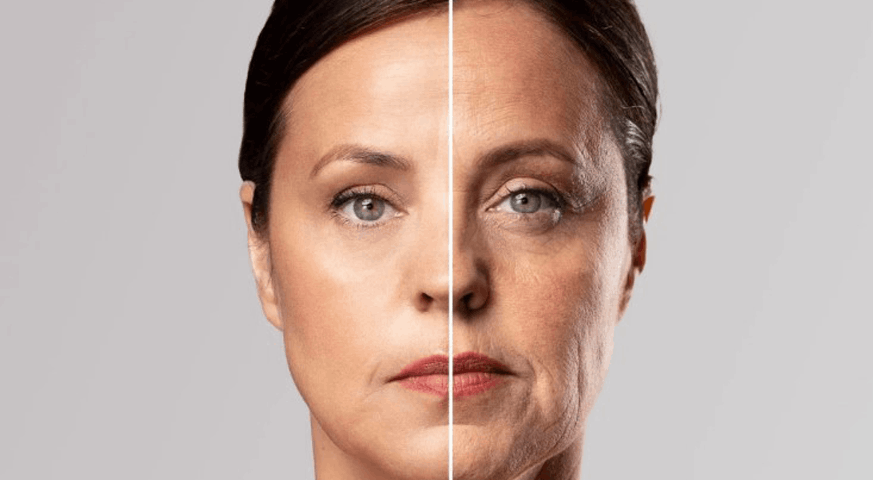
Ozempic Face: Why You Can Look Older After Weight Loss (And How to Fix It)
Losing weight is a big win—but many people are surprised when their face doesn’t “match” how good they feel. After rapid weight loss—especially with GLP-1 medications—some patients notice a more tired look: hollow cheeks, deeper smile lines, softer jawline definition, and new creasing around the mouth and eyes. This is what people commonly call “Ozempic Face.”
“Ozempic Face” isn’t a disease and it’s not a sign that something is “wrong.” It’s usually a structural change: you’ve lost volume in the face (subcutaneous fat) faster than your skin can tighten and adapt. When the facial fat pads shrink, the skin drapes differently—so lines and laxity become more visible.
Why does it happen more with GLP-1 weight loss? The key factor is often speed + amount of fat loss. If weight drops quickly, the face can look deflated before collagen remodeling has time to catch up. Age, genetics, previous sun damage, and baseline skin elasticity strongly influence how noticeable this is.
The most common “Ozempic Face” pattern looks like this:
- Midface deflation (cheeks look flatter)
- Under-eye hollowing (more shadowing)
- Nasolabial folds and marionette lines look deeper
-
Jawline softening (early jowling)
It’s essentially facial volume loss + skin laxity becoming more obvious once the “support” layer reduces.
The good news: this is one of the most treatable aesthetic concerns—because you can address it with a three-part plan: (1) rebuild structure (volume), (2) improve skin quality, and (3) tighten where needed. The best results look natural when treatments are chosen based on what changed (volume vs laxity vs texture), not just “fill everything.”
Step one is timing: if you’re still actively losing weight, the smartest approach is often to wait until your weight is stable (or close to stable) before doing major volume correction. Treating too early can lead to chasing changes with repeat filler—while your face is still evolving week to week.
For true facial “deflation,” biostimulators are often the hero. Sculptra (poly-L-lactic acid) is designed to stimulate your body’s collagen production gradually, improving facial support and skin quality over time rather than creating an overfilled look overnight.
For targeted contour and immediate balancing, dermal fillers can be used strategically—think cheek support, chin/jawline refinement, and selective softening of folds. The goal is not “bigger”—it’s restoring the architecture that makes you look rested, healthy, and youthful.
When the main issue is laxity (skin feels looser), pairing volume restoration with skin tightening can be a game-changer. Technologies like RF-based tightening and collagen stimulation (and, in some cases, resurfacing) can help the skin look firmer and more “snapped back,” especially around the lower face and neck.
Finally, don’t ignore the “background” factors that influence how your skin rebounds: hydration, adequate protein intake, resistance training to support lean mass, and disciplined sun protection. These don’t replace in-clinic treatments—but they make the outcome cleaner, longer-lasting, and more natural.
At UC Clinic, our approach is simple: we assess whether your look is driven by volume loss, skin laxity, or texture changes, then build a plan that delivers a refreshed result without the “puffy” or overdone finish. If you’ve been told you “just need filler,” but you’re worried about looking unnatural—this is exactly where a structured plan matters.
FAQs:
- What is “Ozempic Face,” and why does it happen with GLP-1 weight loss (like Ozempic® or Mounjaro®)?
“Ozempic Face” is a popular term for facial changes—especially hollowness and sagging—that can appear after rapid weight loss, because fat under the skin (subcutaneous fat) decreases and the skin may not tighten fast enough. The result can be more visible lines and a deflated look.
2) Which treatment is best for Ozempic Face: Sculptra, dermal fillers, or skin tightening?
It depends on what you’re seeing. If your main issue is volume loss, Sculptra or dermal fillers can help rebuild support. If your main issue is loose skin, skin tightening may be prioritized. Many patients get the most natural improvement from a combination plan: structure first (volume), then tightening/skin quality.
3) How many sessions of Sculptra for Ozempic Face do most people need?
Many patients need a series (often 2–3 sessions, depending on severity and goals) because Sculptra is collagen-stimulating and builds gradually. Full effects are not “instant,” but the result can look very natural.
4) How long does it take to see results from Sculptra for Ozempic Face?
Sculptra works progressively—most people begin to notice changes over weeks, with more visible improvement over the following months as collagen builds.
5) Are dermal fillers for Ozempic Face immediate, and do they look natural?
Strategic dermal filler can show immediate improvement, especially for cheek support and fold balancing. The key to a natural look is correct placement, conservative dosing, and restoring facial structure—not simply filling lines.
6) What does skin tightening for Ozempic Face help with compared to Sculptra or fillers?
Skin tightening focuses on firmness and laxity (the “loose” or “crepey” component), while Sculptra/fillers focus on support and volume. If your skin is loose but volume is still okay, tightening may be the main focus; if the face is deflated, volume usually comes first.
7) What does Sculptra, dermal filler, and skin tightening feel like during treatment?
Most patients describe injectable treatments as brief pressure/pinching, and energy-based tightening as heat or warmth. Comfort measures (topical anesthetic, cooling, technique) can reduce discomfort. The exact sensation depends on the chosen procedure and treatment intensity.
8) What is the downtime after Sculptra, dermal fillers, and skin tightening for Ozempic Face?
Downtime varies: fillers and Sculptra may cause temporary swelling or bruising; skin tightening may cause mild redness or warmth. Your expected downtime depends on treatment type and depth, and should be reviewed during consultation so you can plan around work/social events.
9) What should I do before Ozempic Face treatments like Sculptra or dermal fillers?
Avoid significant sunburn/tanning, disclose any history of cold sores if treating around the mouth, and review medications/supplements that may increase bruising (when medically appropriate). The safest plan is individualized—especially if you have a history of pigmentation or sensitive healing.
10) What should I do after Sculptra, dermal fillers, or skin tightening for Ozempic Face?
Follow your provider’s aftercare: avoid heavy exercise and heat exposure for the recommended window, don’t massage treated areas unless instructed, and prioritize hydration and sun protection. Aftercare is a major driver of smooth results and quicker recovery.
11) Can laser resurfacing or medical-grade peels help Ozempic Face?
Yes—if part of the issue is texture (fine lines, crepey quality, dullness), resurfacing or peels can improve surface quality and radiance. These are usually add-ons after structure (volume) and laxity are addressed, depending on your skin type and downtime.
12) When should I book Ozempic Face treatments—while losing weight or after I reach my goal?
In general, major volume correction is often best when weight is stable (or near stable) so your provider isn’t “chasing” ongoing changes. A consultation can still happen earlier to plan a staged approach and prioritize skin quality and prevention.